After a couple-year hiatus, 48° North’s technology columnist is making a return, and we’re so excited to welcome Steve back. It’s the same great SeaBits style, but he’s made a boat upgrade to a cool steel trawler, and has some exciting and fresh perspective to share since he’s left the corporate tech world and is now working on boats full-time.
I’m pretty well known for being a tech nerd in all parts of my life, including aboard the boat. If there is a new gadget or piece of software, I have probably tried to figure out a way to use it while cruising. I love technology and automation and what it brings to our world, how it makes things easier in our everyday lives, and the visibility and information it allows us to enjoy. So you might be surprised to find out that I prefer simple, analog systems for some pretty core parts of my boat.
Why Analog?
Digital technology has changed the world in so many good ways, and of course a bunch of really not-so-good ways, but let’s try to be positive today! I have made a career out of technology and wouldn’t change that for anything. But there’s something to be said for simple, analog systems that are easy to use, easy to fix, and work more reliably in a harsh environment.
Particularly on the boat, digital technology has allowed for modern conveniences such as fully integrated power systems, smart home features, integrated electronics that help with navigation and anchoring, and much more. It has improved the quality of life and safety of being out on the water, but it does require marine-grade components designed to withstand the vibration and salt water environment, needs to be configured and integrated appropriately, and requires maintenance and likely upgrades throughout its life. These systems are great when they work, and provide visibility and utility in areas you just can’t get with analog.
However, having something you can fix with just your hands and some tools—that requires only simple DC power and has been used by mariners for years—is something expert cruisers will tell you is the preference for anything that they rely on.
Engine
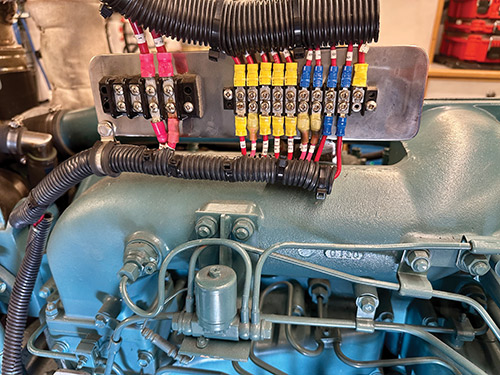
One of the most important bits on a boat is the engine, and I absolutely prefer to have as analog a system as possible when it comes to propulsion. This includes super basic key-based starting using standard parts you can get in an auto parts store, basic alarms and shutdowns governed by voltage-carrying wires and relays, and simple temperature and pressure senders driving analog or very simple modern gauges.
This might seem contradictory to articles I’ve written about digitizing engine instruments, but this is where the analog and digital worlds collide. I love having more visibility, better alarms, and deeper data on any system aboard the boat. That’s what digitizing engine instruments gets you—the ability to see that data on small displays, chartplotters, or mobile devices, and also the ability to record and analyze data later on.
Where I draw the line is in replacing the entire control system for the engine. I still want physical wired or pressure controls to my throttle and transmission, simple wires to a starter, and other basic ways to start and stop the engine and get alarms. The digital side is an added benefit, but doesn’t replace the simplicity and reliability of the analog world.
For modern boats, or if you re-power, this can be difficult to do given the emissions requirements, and the tendency for modern engines to be heavily digital. However, if you have the opportunity to choose manufacturers, look for those that have simpler control systems, and those that offer clear documentation and easier parts to source to ensure you are not reliant on tons of computers for your engine.
DC vs AC Power
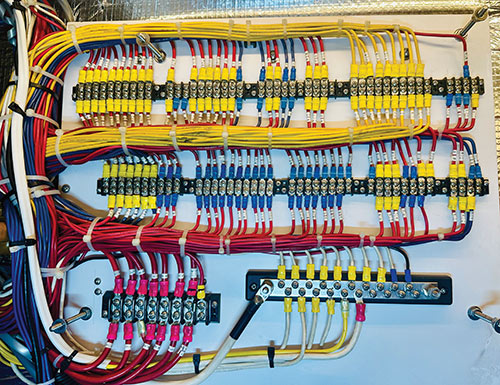
Inverters and their related power systems have become more reliable in the last 20 years, and many of our household conveniences are more usable aboard a boat with advances in battery technology and charging. However, I still prefer as much of my critical and
daily-use systems on DC power whenever possible. Even with more reliability and wider spread adoption, an AC inverter system is more complicated. Not only do you have the inverter itself, but often you will have a control system, associated cabling, software, and more. In lithium battery systems, you’ll also have a battery management system, or BMS, and potentially other pieces of technology that can freak-out at the worst moment.
There are also losses in converting DC power from your battery to AC inverted power, so whenever possible, trying to move things to DC power helps save energy in the long run.
Key systems I always like to see on DC include the entire navigation system, including PCs and screens, and the internet setup. These are targets in a lot of upgrades or new installations to include AC power both for convenience and due to equipment choices, and I try to avoid them whenever possible. Having them on DC offers much better reliability, and is relatively easy to do using DC-DC converters or even directly connecting them to DC power without much other work involved.
Bilge
Bilge pumps and the associated high water alarms are another area I love digitizing with products like BRNKL, Siren Marine, and Maretron, but I still want them to be as analog as possible. Having a high quality float switch like the Ultra Safety Systems Pump Switch Senior with a built-in high water alarm and extremely well designed float that rarely gets stuck is where I would spend most of my time and money in any bilge. This ensures I have a reliable, analog way of starting and stopping a bilge pump, and also getting an alarm if something has gone wrong. Adding an additional analog high water alarm is even a better idea to ensure you have redundancy.
Pairing this analog foundation with a digital system like the Maretron RIM100 to monitor breaker status, pump run status, and count the times a pump has run is super useful, too. It allows you to get notifications when away from the boat, see trends and potentially identify a slow leak, and generally get better visibility into things. But it’s not as critical as the base system working—all analog.
Tanks
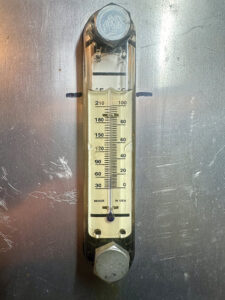
To be happy and safe aboard the boat, it’s essential to keep your fuel and water tanks full, and your waste tank managed. Having tank sensors is one great way of doing this, but they are often fiddly and problematic, even the newer ultrasonic, pressure, or radar-based technologies. The easier solution is to choose a sight gauge, which rarely fails, is easy to see and interpret, and provides instant information about the fluid level in your tank.
Autopilot vs Windvane
I’m the first person who will admit that autopilots are a huge benefit aboard the boat. As a singlehanded mariner, I rely on mine to help me stay rested and focused while underway. But even the best autopilot has issues. This system is the top one I get calls about with problems ranging from compass calibration issues to complete system failures.
A better analog system for a sailboat would be a windvane self-steering system that consumes zero electricity, is generally all in one place and visible for inspections and troubleshooting, and provides a very reliable way of steering. They can often be fixed with just tools, and jury-rigged to continue running, where an autopilot system may require a new electronic component that is hard to find out at sea. I wish there was an equivalent system for a trawler or powerboat!
When looking at your key boat systems, think about what you would have to troubleshoot if you were in a remote location, and how complicated you want that process to be. That will help you prioritize systems that should be streamlined as possible, and you can start thinking about moving those to a more analog approach. While digital and tech systems have a place on the boat today more than ever, relying on key analog systems (or key systems that use analog parts) can really benefit your time on the water, and your safety and sanity in the long run.
Steve Mitchell is a year-round Pacific Northwest cruiser aboard his 54-foot steel trawler Aruna and a lifelong boater with experience in both sail and power. With decades in the technology industry and over 20 years of hands-on experience designing and installing marine electronics, electrical systems, he blends technical expertise with real-world cruising insight. As founder of SeaBits, he tests, reviews, and consults on the latest marine technology, and contributes to numerous boating publications.