Hats off to those of you who get off the dock in the winter, and double kudos if you do so frequently. Year-round boating is part of the magic and magnetism of waterborne adventures in the Pacific Northwest. Still, for many—I’d venture for most—springtime dawns with a measure of reintroduction to boat life.
For all my years as a card-carrying sail bum, there were only a few when my A-game on the boat didn’t relax into at least a little winter hibernation. The path back from an extended boating break is neither long nor laborious. In fact, I imagine lots of you barely pay it any mind. It’s been a recurring theme in my experience, though, for whatever reason—pride, ego, self-flaggelation.
Some years back, I wrote something similar about this seasonal restart. It’s funny how a couple of trips around the sun and one more child (twice as many!) can adjust the lens of perspective. My time on the water has evolved into intermittent fits and starts regardless of season, where it was previously much more regular. After a recent wonderful-yet-enlightening sail, I’m inspired to reopen the discussion of springtime re-entry. I got out for my first true wind-driven jaunt in a while—shorthanded with people I’d never sailed with on an unfamiliar boat. It was incredibly fun and so rewarding, but it also showed me that my ‘sea legs’ had atrophied a bit… again.
I was on the water with world-renowned sailor Jonathan McKee and skipper of a past 48° North Top 25 #1 Boat, Erik Kristen. We were aboard Jonathan’s custom Bieker Riptide 44, Dark Star, working on a video about a refit to the boat’s jib lead system. (Please check out the video!) Conditions were as perfect as winter on Puget Sound gets, we had no stakes other than the footage we were trying to capture, and we all had a great time. Easy peasy, kind-of. Here are a handful of my latest personal spring shakedown takeaways.
Expect change, and try to stay ahead of it. There’s bound to be unpredictable elements on any first sail with a different boat and crew, and there was definitely some of that on this brief and sunny excursion on Dark Star. Still, some of my more hamfisted misadventures were “autopilot” attempts at processes honed on a different boat. Regardless of the vessel or the circumstance, keeping a weather eye out for complacency or unconsidered routine will help you catch things before they get unduly challenging.
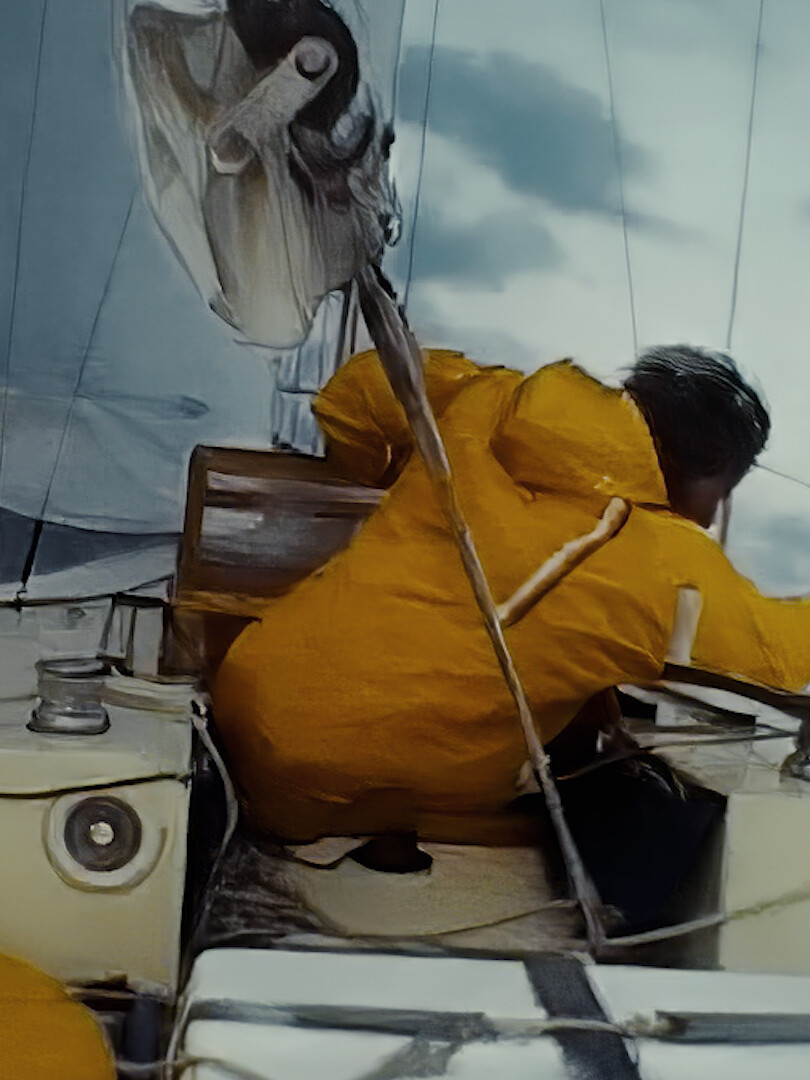
Use your head, and be careful with your body. After putting Dark Star through its upwind paces, we hoisted the massive kite without incident. Then, I found myself on the pointy end clumsily wrestling the jib as it came down. Admittedly, I don’t spend a lot of time on the bow of any boat, but as I made slow and awkward work of the jib douse, I also stepped on part of the sail—slipping and going concerningly off-balance for a moment. I recovered, devoid of grace, feeling sheepish and relieved I didn’t wind up in the drink in 10 knots and flat water. I could have improved lots of these actions, but I would have stuck the landing better if I’d simply been sailing more. That awareness is useful in the early season—prepare to be under-practiced. Take your time, review your processes, and stay on the boat.
Go easy on yourself. 99.5% of us go sailing for the sheer joy of it, even (especially!) in elite company. Ramping up for a new season is exciting whether or not it involves a bit of rusty flailing. Real skills and hard-won experience always catch up, and fast; and soon we’ll be having so much fun that these tune-up ruminations may be stowed once more. Until next spring.
I’ll see you on the water!

Joe Cline
Joe Cline has been the Managing Editor of 48° North since 2014. From his career to his volunteer leadership in the marine industry, from racing sailboats large and small to his discovery of Pacific Northwest cruising —Joe is as sail-smitten as they come. Joe and his wife, Kaylin, have welcomed a couple of beautiful kiddos in the last few years, and he is enjoying fatherhood while still finding time to make a little music and even occasionally go sailing.